The Evolution of Home Robots
The landscape of home robotics has witnessed a remarkable transformation over the past few decades. From the earliest robotic vacuum cleaners that merely automated floor cleaning to the sophisticated humanoid robots we see today, the progression has been driven by advancements in technology, specifically artificial intelligence (AI) and machine learning. By 2026, the integration of robotics into our homes is set to become even more pronounced, making everyday tasks easier, more efficient, and highly personalized.
From Vacuum Cleaners to Humanoids
Initial home robots, such as those pioneered by iRobot, focused primarily on cleaning tasks, offering consumers a way to save time and reduce the physical burden of maintaining a tidy home. As technology evolved, so did the capabilities of these robots. Today’s models can perform a variety of functions beyond vacuuming, including mopping floors, managing household schedules, and even cooking. The introduction of humanoid robots, like the upcoming home robot 2026 models, is set to revolutionize tasks requiring more complex interactions, further bridging the gap between machines and human capabilities.
Key Features of Modern Home Robots
- AI Integration: Modern home robots are equipped with AI algorithms that enable adaptive learning, allowing them to become more efficient over time.
- Voice Command Functionality: Most contemporary robots respond to voice commands, integrating seamlessly with smart home systems.
- Task Automation: Robots are capable of executing multiple chores ranging from cleaning to monitoring home security.
- Remote Control: Users can control their robots via smartphone apps, providing flexibility and convenience.
The Impact of AI in Home Robotics
The integration of AI into home robotics has been pivotal in enhancing their functionality. AI enables robots not only to perform tasks but also to learn from their environment and experiences. This leads to improvements in performance and user satisfaction, as these devices can adapt to individual preferences over time. As a result, homes equipped with AI-driven robots can significantly enhance the quality of life for their inhabitants.
Top Home Robots to Look for in 2026
As we look towards 2026, several promising home robots are set to hit the market, each designed with unique features that cater to specific needs. These innovations represent the culmination of years of research and development, and they provide a glimpse into the future of household robotics.
NEO: The Personal Assistant Robot
One of the most discussed innovations is NEO, a humanoid robot designed to assist with various household chores. NEO’s key strengths lie in its ability to engage in conversations and perform tasks ranging from cleaning to scheduling appointments. Its advanced programming allows it to integrate with other smart home devices, making it a versatile addition to any modern household.
LG’s CLOiD: The Future of Household Chores
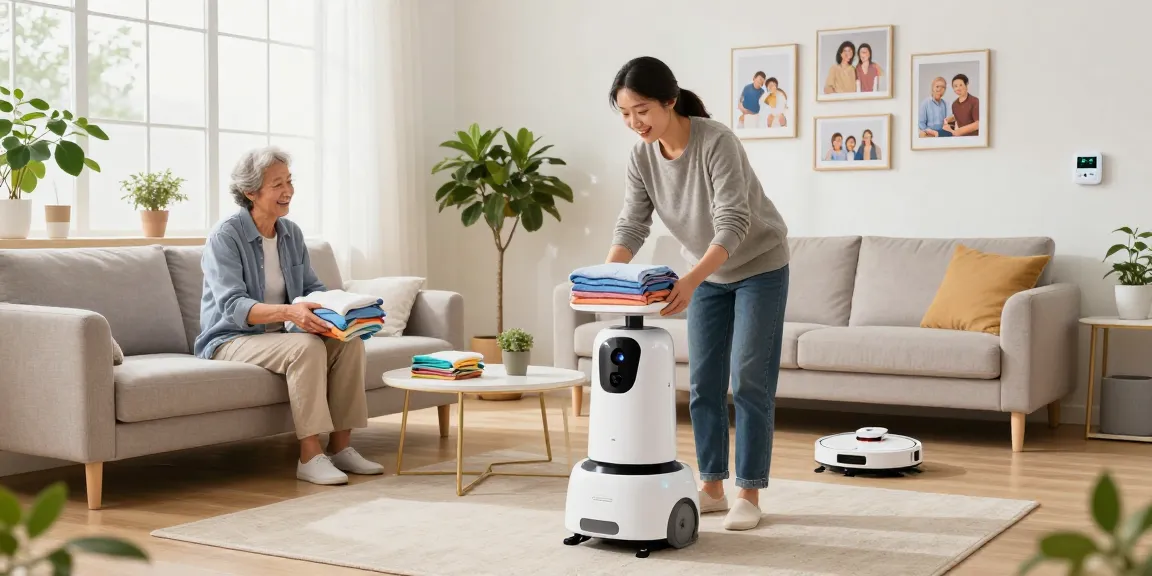
LG’s CLOiD robot takes automation a step further. It is designed to handle complex tasks such as laundry and meal preparation, utilizing AI to optimize its efficiency. With stunning capabilities, CLOiD aims to eliminate mundane chores, thereby freeing its users to focus on more enjoyable activities.
Competitive Analysis of Market Leaders
The home robotics market in 2026 is expected to be highly competitive, with major players like iRobot, LG, and new entrants such as 1X and Tesla’s Optimus entering the fray. These companies are racing to innovate and capture market share, leading to a rapid evolution of features, affordability, and intelligence in home robots.
How Home Robots are Changing Everyday Life
The influence of home robots extends beyond mere convenience; they are reshaping everyday life, enhancing accessibility in numerous ways.
Enhancing Accessibility for Seniors
Home robots play a crucial role in supporting elderly individuals who may struggle with daily tasks. By automating chores and providing reminders for medications or appointments, these robots increase independence while ensuring safety. This can lead to improved mental well-being and a higher quality of life for seniors.
Impact on Family Life and Relationships
Robots that assist with household chores can alleviate stress and time constraints for families, allowing them to spend more quality time together. As a result, family dynamics are transformed, enabling members to focus on relationships rather than daily responsibilities.
Case Studies: Successfully Implemented Home Robotics
Several households have adopted advanced home robots, showcasing their capabilities in real-world scenarios. Stories of families freeing up hours each week by employing robotics for cleaning and organizing illustrate the potential of these devices to enhance daily life.
Challenges of Home Robots in 2026
Despite significant advancements, home robots still face various challenges that could hinder widespread adoption.
Cost and Affordability Issues
One of the most significant barriers to ownership is the cost of advanced home robots. With prices potentially reaching up to $20,000 for high-end models, many consumers may find them prohibitively expensive. Future developments may need to focus on making these technologies more accessible to a broader audience.
Technical Limitations and Reliability
While technology is rapidly advancing, many robots still struggle with reliability and efficiency in complex environments. For example, robots may have difficulty navigating cluttered spaces or understanding nuanced commands, which can lead to frustration for users.
Public Perception and Acceptance
There exists a level of skepticism surrounding home robots, particularly concerning their safety and privacy implications. Engaging with consumers and addressing their concerns through education and transparency will be vital for overcoming these barriers.
The Future of Home Robots Beyond 2026
Looking beyond 2026, the trajectory of home robotics suggests a future ripe with possibilities.
Predictions for Advanced Features
Future home robots are predicted to incorporate even more advanced features, such as enhanced emotional intelligence, enabling them to understand human emotions and respond appropriately. This will allow for a more personalized interaction and potentially closer bonds between humans and robots.
Potential Market Trends and Growth
The home robotics market is expected to expand significantly, driven by advancements in AI and consumer demand for convenience. As robots become more integrated into daily life, we might see them starting to perform more complex tasks, merging seamlessly with our lifestyles.
How to Prepare for the Next Generation of Robots
As home robots become more prevalent, consumers should consider their needs and how they can effectively integrate these technologies. Understanding the capabilities and limitations of available models will prepare them for making informed decisions when selecting a home robot.
Are home robots really practical in 2026?
Yes, with advancements in AI and robotics, home robots will be increasingly practical, performing numerous daily tasks efficiently and effectively.
What are the costs associated with home robots?
The costs can vary significantly, with entry-level models around a few hundred dollars to more advanced systems costing several thousand. Budget considerations will be critical in selection.
How will home robots affect job markets?
While some might fear job displacement, the introduction of home robots is expected to shift household roles rather than eliminate them. This shift could lead to new job opportunities in tech support, maintenance, and programming.
What tasks will home robots be performing in the near future?
Home robots will likely handle a wider array of tasks, including cleaning, cooking, personal assistance, and even companionship for the elderly or those with special needs, transforming how we view household management.
Are there safety concerns with home robots?
As robots become more integrated into our lives, safety concerns will remain a priority. Ensuring safe interactions through proper design and fail-safe mechanisms will be paramount to foster acceptance.